
Real Estate Video Marketing Guide: 11 Ideas & Tips for 2026
Last updated on
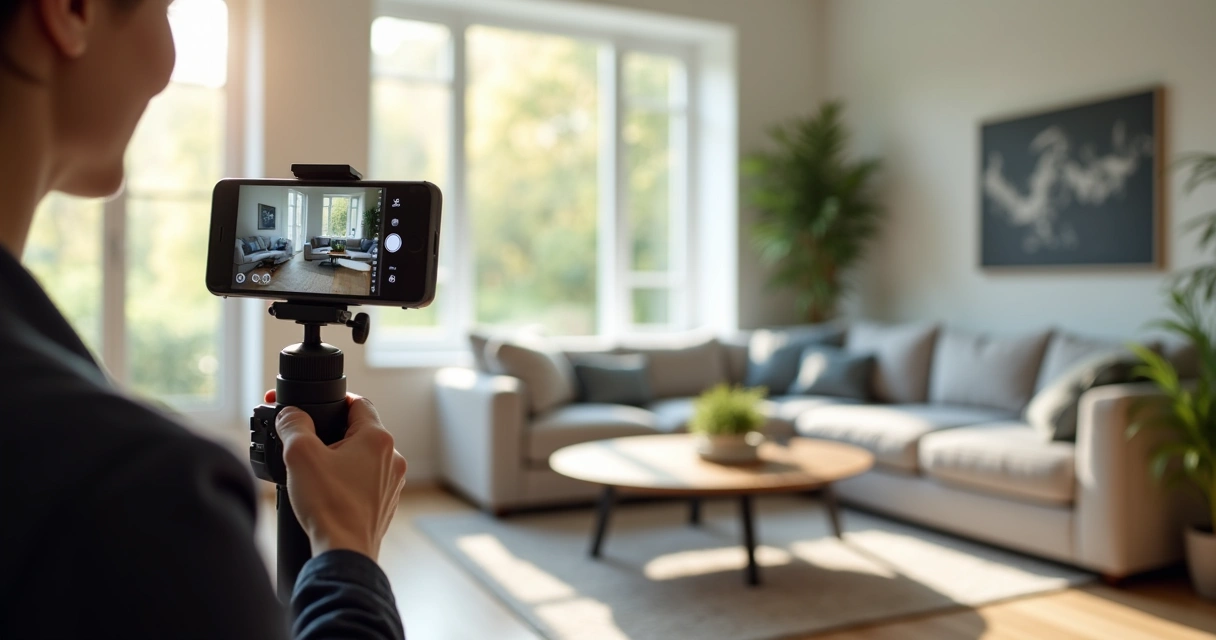
Today, agents compete for attention against dozens of listings, shrinking attention spans, and buyers scrolling past in seconds. Video has become one of the most effective tools in an agent's arsenal. And the gap between agents who use it and those who don't is widening fast.
Listings get more eyes and more inquiries when they have videos. On social media, video consistently outperforms photos and static posts.
But what types of videos actually work now, and which ones will keep working into next year? This guide covers 11 real estate video ideas that are working right now, plus the marketing tips that make them land.
1. Property Walkthrough Videos
Today's buyers want to experience the home before visiting. Evoking emotions matters more than listing metrics like square footage, and a well-crafted walkthrough does exactly that.
Showcase what makes the kitchen inviting, why the backyard is perfect for pets, or how the morning sun illuminates the living room. Connecting the video to what's already highlighted in the listing description reinforces the message.
Producing a walkthrough is one of the best investments you can make. It works on listing pages, Facebook posts, and short-form content like Instagram Reels. Further down, we cover how to produce property tours without hiring a videographer.
2. Short-Form Teaser Videos for Social
Not every video needs to tell the full story. Shorter videos highlighting one or two specific parts of the house can create curiosity. Showing a jaw-dropping staircase or a glimpse of a luxury bathroom serves a different purpose than a full walkthrough.
Full walkthroughs inform, teaser videos hook.
Teasers thrive on short-form platforms like TikTok, Instagram Reels, and YouTube Shorts. Keep them under 30 seconds, vertical, and focused on one moment that makes someone stop scrolling.
3. Neighborhood Highlights and Lifestyle Videos
Many buyers want a home that fits their lifestyle, not just a collection of rooms. A few clips outside go a long way: the nearby park, shops, cafes, schools, gyms or local street views at sunset. A video like this can change a browser into a serious lead, because it answers their "what is it like to live here?" question before they even ask.
Combine fast cuts, upbeat background music, and use hashtags related to the neighborhood when sharing on socials.
4. Area Guide and Relocation Videos
Neighborhood clips show buyers what's outside the door. Area guides do something different: they position the agent as the local authority.
Buyers relocating from another state or city don't just need a home, they need someone who knows the area inside out. A video covering the best neighborhoods, local lifestyle, commute options, or hidden gems can be the reason they reach out before their search even begins.
This type of content works as either a longer YouTube guide or a quick Reel highlighting a local spot. Both can attract views and leads long after they are published.
5. Testimonial and Success Story Videos
Testimonials are one of the most powerful credibility tools an agent has. A happy client speaking about their experience, ideally filmed in the home you helped them find, says more than any marketing copy ever could. Even 30 seconds can shift a prospect from curious to convinced.
If clients aren't comfortable on camera, text reviews overlaid on slow-motion footage of the property work just as well. Facebook, Instagram Stories, and a dedicated section on your personal website are the strongest places for this type of content, social proof that works whether someone finds you through a listing or your profile.
6. "Before and After" Renovation or Staging Videos
Transformations grab attention, especially on social feeds. Whether it's a cosmetic update or a full renovation, showing the before right next to the after has viral potential and can attract more leads than static photos ever will. Fast swipes or split-screen effects make for a dramatic reveal that stops the scroll.
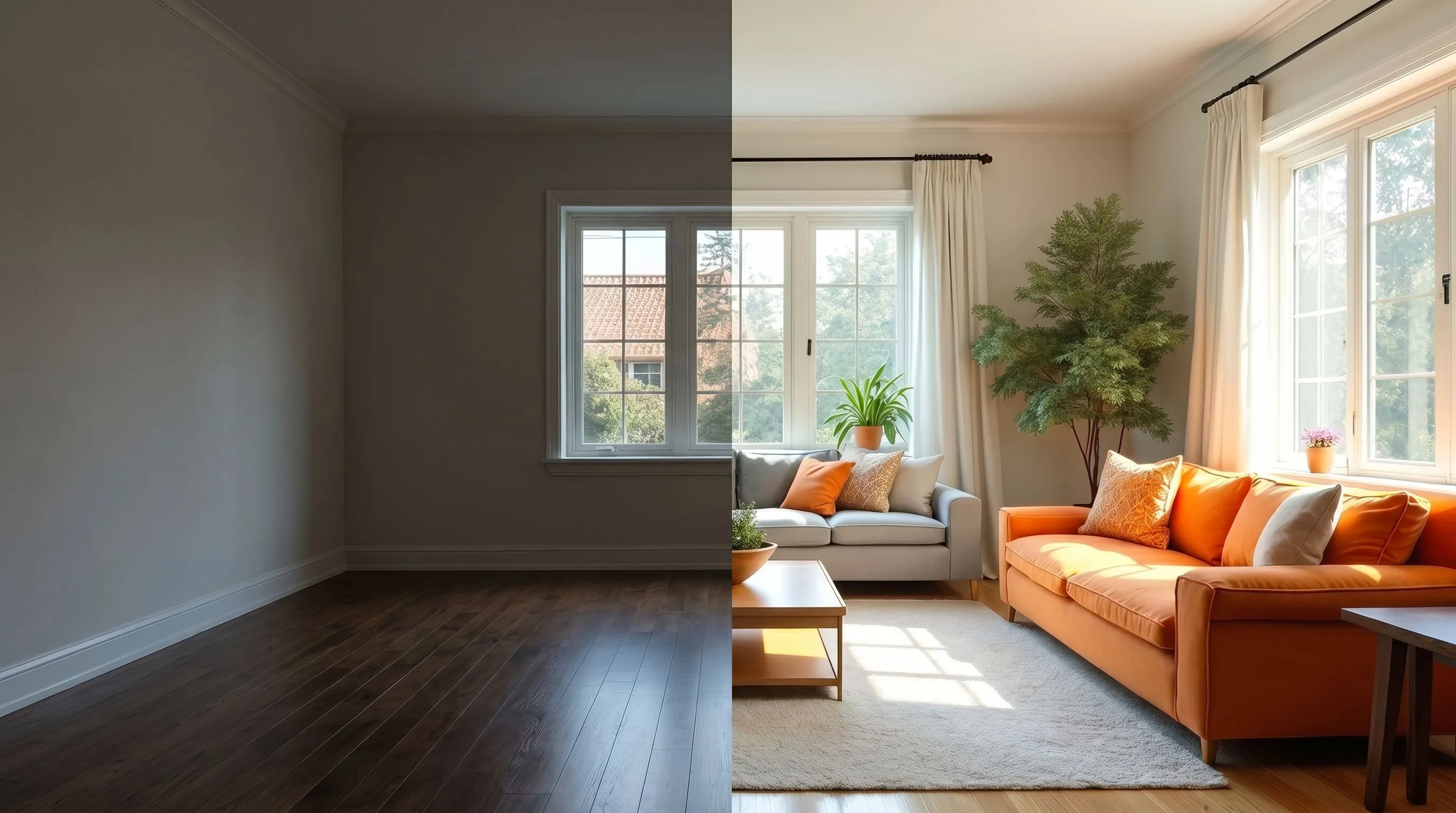
The good news is this doesn't require a full production. A set of well-lit before and after photos is enough. Editing apps or AI video tools can turn them into a compelling transformation clip without any editing expertise. Keep the cuts quick as modern attention spans drop off fast.
7. "Day in the Life" Reels Showing the Real Estate Process
Buyers don't just choose a home, they choose an agent. Behind the scenes content shows the work that happens before a listing goes live: signing documents, prepping for an open house, unlocking a door for the first time. It personalizes the brand and answers hidden questions buyers have about the process without them having to ask.
Instagram Stories and YouTube Shorts work well for this format. Short clips with text overlays add context and keep it digestible.
8. Personal Life and Interests
Behind the scenes content opens the door. Personal content invites people in. Sharing moments outside of work, whether it's a hobby, a family moment, or a local spot you love, builds the kind of connection that makes someone pick up the phone and call you over anyone else.
This doesn't mean oversharing. A few personal posts mixed into a content calendar is enough to remind followers there's a real person behind the listings.
9. Explainer Videos and Common Questions
Buyers and sellers always have questions. How does mortgage pre-approval work? What do inspections actually cover? Short explainer videos that answer these directly build expert authority while doing something few other content types can: they get saved and shared by people who aren't even ready to buy yet.
Post them to your main feed and save them in a highlight or playlist. Content that answers real questions has a long shelf life and keeps working long after it's posted.
10. Open House and Live Event Videos
Static flyers and graphic posts are the default for promoting open houses. Video does it better. A short clip walking through the space before doors open, or footage from the event itself, captures energy and social proof that no image can replicate.
This type of content also works after the event. A well-attended open house posted to Instagram Stories or Facebook reminds followers that properties move fast and that missing out is a real possibility.
11. Live Q&A Sessions
Buyers and sellers have questions at every stage of the process. Turning those questions into content is one of the most efficient ways to stay top of mind between transactions. Answer them live, record a short response, or reply through Instagram Stories.
Running a recurring Q&A format gives followers a reason to keep coming back and positions the agent as someone worth following before a client is even ready to make a move.
Putting Your Real Estate Video Strategy Into Practice
Knowing what to create is only half the equation. The agents who see real results from video are the ones who think carefully about where they post, how often, and how to keep production sustainable over time. Here is what that looks like in practice.
Production Quality Still Matters
Video quality follows the same logic as listing photos. A poorly lit, shaky walkthrough does more harm than no video at all. First impressions still matter, and buyers will judge the property and the agent by the production standard.
The good news is professional equipment isn't always necessary. A modern smartphone, natural light, and a steady hand cover most of the video types in this list. Professional listing photos go even further, doubling as the foundation for AI-generated videos that require no shooting or editing at all. A full production crew is still worth it in some cases, but for the majority of listings, the right inputs are enough.
Matching Your Video to the Right Platform
Not every video works on every platform. Posting the same file everywhere without adapting it is one of the most common mistakes agents make, and aspect ratio alone can make or break how a video performs.
Instagram: Vertical Reels perform best, ideally under 60 seconds. Use text overlays, music, and location hashtags. Short teasers, before and afters, and neighborhood clips thrive here.
TikTok: Vertical, fast-paced, and authentic. Transformations, quick home tours, and Q&A responses do well with a younger audience. Keep it under 30 seconds where possible.
YouTube: Horizontal is the native format here. Ideal for longer walkthroughs, area guides, and relocation content where viewers are willing to spend more time.
Facebook: Horizontal works well. Great for live open house coverage, sharing in local community groups, and posting longer neighborhood or lifestyle videos.
Frequency and Engagement
Consistency builds momentum faster than anything else. Agents who post regularly outperform those who post occasionally, regardless of how polished the content is.
Posting daily is a realistic goal with the variety of content types covered above. A walkthrough one day, a neighborhood clip the next, a Q&A response after that. The content calendar writes itself when you think in formats rather than individual posts.
Engagement matters just as much as frequency. Responding to comments, asking questions in captions, and inviting viewers to participate through Stories all signal to the algorithm that the content is worth distributing further. Agents who treat video as a conversation rather than a broadcast are the ones who build a following.
Scaling Video with Smart Production Tools
AI has become one of the most useful tools in an agent's content workflow, from drafting caption ideas to generating video from listing photos. The key is knowing where it helps and where it hurts. AI-written captions and scripts work best as a starting point, not a final product. Audiences can sense when content lacks a real voice behind it.
On the video side, the gap between effort and output has never been smaller. A set of professional listing photos is now enough to produce a compelling marketing video without any shooting or editing. Tools built specifically for real estate understand the format, the compliance requirements, and what makes a property video actually perform. For agents looking to scale their content without scaling their workload, that is where the biggest gains are.